
In today’s fast-paced world, understanding wellbeing nutrition has become more important than ever. People are increasingly curious about what is nutrition, how it affects the body, and how different types of nutrition — including autotrophic nutrition — work in nature. Nutrition is the foundation of life, growth, energy, and overall health.
This comprehensive guide will explore the meaning of nutrition, explain the concept of autotrophic nutrition, and highlight how wellbeing nutrition supports physical and mental health. You’ll also find tables, structured points, and a helpful FAQ section.
What Is Nutrition?
To understand wellbeing nutrition, we must first answer the basic question: what is nutrition?
Nutrition is the process by which living organisms obtain and utilize food substances for growth, energy, repair, and maintenance of body functions. It involves intake, digestion, absorption, and assimilation of nutrients.
In simple terms, what is nutrition? It is how the body uses food to survive and function properly.
Major Components of Nutrition
Nutrition includes six essential nutrients:
| Nutrient | Function | Sources |
|---|---|---|
| Carbohydrates | Energy production | Rice, oats, fruits |
| Proteins | Muscle repair | Eggs, legumes |
| Fats | Energy storage | Nuts, oils |
| Vitamins | Immunity support | Fruits, vegetables |
| Minerals | Bone health | Dairy, leafy greens |
| Water | Hydration | Fluids, fruits |
Understanding what is nutrition helps you balance these nutrients properly for wellbeing nutrition.
Types of Nutrition
Nutrition in living organisms can be broadly divided into two main categories:
-
Autotrophic Nutrition
-
Heterotrophic Nutrition
In this article, we will focus especially on autotrophic nutrition, while connecting it to human wellbeing nutrition.
What Is Autotrophic Nutrition?
Now let’s clearly define what is autotrophic nutrition.
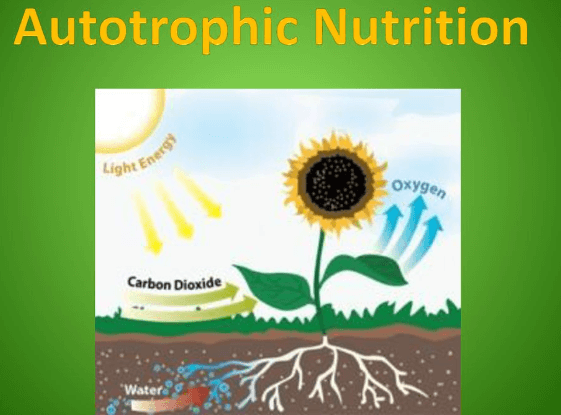
Autotrophic nutrition is a mode of nutrition in which organisms prepare their own food using simple inorganic substances like carbon dioxide and water, usually in the presence of sunlight.
When someone asks what is autotrophic nutrition, the simplest explanation is: it is self-feeding nutrition.
Plants are the best example of organisms that follow autotrophic nutrition.
Types of Autotrophic Nutrition
| Type | Energy Source | Example |
|---|---|---|
| Photosynthetic | Sunlight | Green plants |
| Chemosynthetic | Chemical energy | Certain bacteria |
Both forms fall under the broader concept of autotrophic nutrition.
Process of Autotrophic Nutrition (Photosynthesis)
The process involved in autotrophic nutrition in plants is photosynthesis.
Steps in Photosynthesis:
-
Absorption of sunlight by chlorophyll
-
Intake of carbon dioxide
-
Absorption of water from soil
-
Conversion into glucose
-
Release of oxygen
This explains scientifically what is autotrophic nutrition and how it sustains life on Earth.
Importance of Autotrophic Nutrition in Ecosystem
Understanding what is autotrophic nutrition helps us see why plants are called producers.
-
They form the base of the food chain.
-
They provide oxygen.
-
They maintain ecological balance.
-
They supply energy to all heterotrophic organisms.
Without autotrophic nutrition, life on Earth would not exist.
Wellbeing Nutrition in Humans
While humans do not perform autotrophic nutrition, we depend on plants for survival. This connection brings us back to wellbeing nutrition.
Wellbeing nutrition refers to a balanced diet that supports:
-
Physical health
-
Mental clarity
-
Emotional stability
-
Immune strength
-
Long-term disease prevention
Understanding what is nutrition allows us to build effective wellbeing nutrition habits.
Principles of Wellbeing Nutrition
To achieve proper wellbeing nutrition, follow these principles:
1. Balanced Macronutrients
Include carbohydrates, proteins, and fats.
2. Micronutrient Variety
Consume fruits and vegetables daily.
3. Hydration
Drink enough water.
4. Portion Control
Avoid overeating.
5. Whole Foods Focus
Choose minimally processed foods.
Comparison: Autotrophic vs Human Nutrition
| Feature | Autotrophic Nutrition | Human Nutrition |
|---|---|---|
| Food Source | Self-produced | External sources |
| Energy Source | Sunlight/Chemicals | Food intake |
| Example | Plants | Humans |
| Dependency | Independent | Dependent on plants |
This comparison highlights the relationship between autotrophic nutrition and human wellbeing nutrition.
Role of Nutrition in Overall Health
When asking what is nutrition, we must also understand its benefits.
Benefits of Proper Nutrition
-
Strong immune system
-
Better metabolism
-
Healthy weight management
-
Improved brain function
-
Reduced disease risk
These are core pillars of wellbeing nutrition.
Malnutrition and Its Effects
Improper nutrition can lead to:
-
Obesity
-
Diabetes
-
Weak immunity
-
Fatigue
-
Stunted growth
Understanding what is nutrition prevents these problems.
Nutrient Functions in Detail
| Nutrient | Main Role in Wellbeing Nutrition |
|---|---|
| Protein | Muscle and tissue repair |
| Carbohydrates | Primary energy source |
| Healthy Fats | Brain and hormone support |
| Vitamins | Disease prevention |
| Minerals | Bone and blood health |
Balanced intake is key to achieving wellbeing nutrition.
How Plants Support Human Wellbeing Nutrition
Since humans rely on plants, understanding what is autotrophic nutrition helps us appreciate:
-
Oxygen production
-
Food supply (grains, fruits, vegetables)
-
Medicinal plants
-
Ecological balance
Autotrophic nutrition forms the foundation of human survival.
Daily Nutrition Guidelines
To maintain proper wellbeing nutrition:
-
Eat 5 servings of fruits and vegetables daily.
-
Include whole grains.
-
Consume adequate protein.
-
Limit processed sugar.
-
Stay hydrated.
Modern Lifestyle and Nutrition Challenges
Today’s lifestyle affects wellbeing nutrition negatively due to:
-
Fast food consumption
-
Sedentary habits
-
High stress
-
Irregular meal timing
Understanding what is nutrition encourages healthier decisions.
Autotrophic Nutrition and Sustainability
Learning what is autotrophic nutrition also promotes environmental awareness.
Plants:
-
Absorb carbon dioxide
-
Reduce climate change impact
-
Sustain biodiversity
Supporting plant life indirectly supports human wellbeing nutrition.
Nutrition and Mental Health
Wellbeing nutrition is not only physical.
Certain nutrients support mental wellness:
-
Omega-3 fatty acids
-
Vitamin B-complex
-
Magnesium
-
Antioxidants
A balanced diet improves mood and concentration.
Frequently Asked Questions (FAQ)
1. What is nutrition in simple words?
Nutrition is the process of consuming and using food for energy, growth, and health.
2. What is autotrophic nutrition with example?
Autotrophic nutrition is when organisms like plants make their own food using sunlight.
3. Why is wellbeing nutrition important?
It supports immunity, energy, mental clarity, and disease prevention.
4. Do humans perform autotrophic nutrition?
No, humans depend on plants and other organisms for food.
5. How can I improve my wellbeing nutrition?
Eat balanced meals, include fruits and vegetables, stay hydrated, and avoid processed foods.
Conclusion
Understanding wellbeing nutrition, clearly defining what is nutrition, and exploring what is autotrophic nutrition gives us a complete picture of how life sustains itself. Autotrophic nutrition supports ecosystems by allowing plants to produce food and oxygen, while human wellbeing nutrition ensures proper growth, energy, and disease prevention.
Nutrition connects all living beings — from plants performing autotrophic nutrition to humans striving for balanced wellbeing nutrition. By making informed food choices and respecting nature’s processes, we can achieve better health and a more sustainable future.
Read More:-Which Oats Is Best for Weight Loss? Is Sweet Potato Good for Weight Loss? Is Poha Good for Weight Loss?
Read More:-Which Oats Is Best for Weight Loss? Is Sweet Potato Good for Weight Loss? Is Poha Good for Weight Loss?

