
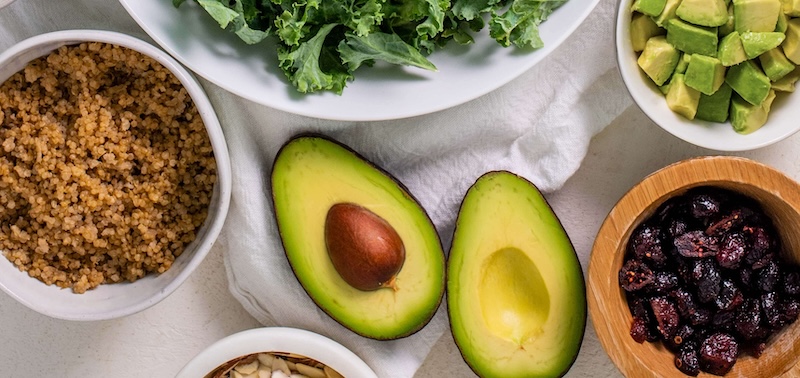
When it comes to nutrient-dense superfoods, avocados and eggs are among the most popular choices worldwide. Whether you are building a balanced diet, planning for weight management, or simply aiming for better health, understanding the nutrition facts of avocados and eggs can help you make informed decisions.
Both foods are rich in essential nutrients, healthy fats, protein, and vitamins. In this comprehensive 1900-word guide, we will explore detailed nutritional tables, health benefits, comparisons, daily intake recommendations, and frequently asked questions.
Avocado Nutrition Facts: Complete Breakdown
Avocado is often referred to as a superfood because of its rich nutrient profile. Let’s explore detailed avocado nutrition facts per 100 grams.
Avocado Nutrition Facts (Per 100g)
| Nutrient | Amount |
|---|---|
| Calories | 160 kcal |
| Protein | 2 g |
| Total Fat | 15 g |
| Saturated Fat | 2.1 g |
| Carbohydrates | 9 g |
| Fiber | 7 g |
| Sugar | 0.7 g |
| Potassium | 485 mg |
| Vitamin K | 21 mcg |
| Folate | 81 mcg |
These avocado nutrition facts show that avocados are high in healthy fats and fiber but low in sugar.
Key Highlights of Avocado Nutrition Facts
-
Rich in monounsaturated fats (heart-healthy fats).
-
High in fiber, aiding digestion.
-
Contains potassium, more than bananas.
-
Supports brain and heart health.
-
Low in sugar and cholesterol-free.
The detailed avocado nutrition facts reveal why avocados are widely recommended in healthy diets.
Health Benefits Based on Avocado Nutrition Facts
Understanding avocado nutrition facts helps explain their health advantages.
1. Heart Health
The monounsaturated fats help lower bad cholesterol (LDL).
2. Digestive Support
High fiber improves gut health and prevents constipation.
3. Weight Management
Healthy fats increase satiety and reduce cravings.
4. Skin & Hair Health
Vitamin E and healthy fats nourish skin and hair.
Egg Nutrition Facts: Detailed Overview
Eggs are one of the most complete protein sources available. Let’s explore accurate egg nutrition facts per one large egg (approximately 50g).
Egg Nutrition Facts (1 Large Egg)
| Nutrient | Amount |
|---|---|
| Calories | 70 kcal |
| Protein | 6 g |
| Total Fat | 5 g |
| Saturated Fat | 1.6 g |
| Carbohydrates | 0.6 g |
| Cholesterol | 186 mg |
| Vitamin B12 | 0.6 mcg |
| Vitamin D | 1 mcg |
| Selenium | 15 mcg |
These egg nutrition facts show that eggs are rich in protein and essential vitamins.
Eggs Nutrition Facts: Whole Egg vs Egg White
Many people search specifically for eggs nutrition facts, especially when comparing whole eggs and egg whites.
Whole Egg vs Egg White Comparison
| Nutrient | Whole Egg | Egg White |
|---|---|---|
| Calories | 70 | 17 |
| Protein | 6 g | 3.6 g |
| Fat | 5 g | 0 g |
| Cholesterol | 186 mg | 0 mg |
| Vitamins | Present | Minimal |
The eggs nutrition facts highlight that most nutrients are in the yolk, while egg whites are mainly protein.
Health Benefits Based on Egg Nutrition Facts
Understanding egg nutrition facts explains why eggs are widely recommended.
1. High-Quality Protein
Eggs contain all nine essential amino acids.
2. Brain Function
Choline in eggs supports brain health.
3. Eye Health
Lutein and zeaxanthin reduce eye disease risk.
4. Muscle Growth
Protein aids muscle repair and growth.
The detailed eggs nutrition facts show why athletes include eggs in their diets.
Avocado vs Egg: Nutritional Comparison
Both foods are nutritious but serve different dietary roles.
Comparison Table
| Feature | Avocado | Egg |
|---|---|---|
| Main Nutrient | Healthy fats | Protein |
| Calories (per 100g) | 160 | 155 |
| Fiber | High | None |
| Cholesterol | None | Present |
| Protein | Moderate | High |
From the avocado nutrition facts, we see fat and fiber dominance, while egg nutrition facts highlight protein superiority.
Are Avocados and Eggs Good for Weight Loss?
Both can support weight management when consumed in moderation.
Avocado:
-
Keeps you full longer.
-
Reduces unhealthy snacking.
Eggs:
-
High protein reduces hunger hormones.
-
Boosts metabolism slightly.
Combining insights from avocado nutrition facts and eggs nutrition facts helps design balanced meals.
Daily Recommended Intake
| Food | Suggested Intake |
|---|---|
| Avocado | ½ to 1 per day |
| Eggs | 1–2 per day |
Moderation ensures benefits without excessive calorie intake.
Common Myths About Eggs and Avocados
Myth 1: Eggs Raise Cholesterol Dangerously
Modern research shows moderate egg consumption is safe for most people.
Myth 2: Avocados Cause Weight Gain
Overeating can increase calories, but moderate intake supports weight control.
The detailed egg nutrition facts and avocado nutrition facts debunk these myths.
How to Include Avocados and Eggs in Your Diet
Breakfast Ideas:
-
Avocado toast with poached egg
-
Omelet with avocado slices
-
Scrambled eggs with vegetables
Lunch Ideas:
-
Egg salad with avocado dressing
-
Avocado chicken bowl
Snack Ideas:
-
Boiled eggs
-
Avocado smoothie
These combinations maximize benefits from both eggs nutrition facts and avocado nutrition facts.
Protein and Fat Balance
Combining avocados and eggs provides:
-
Balanced protein
-
Healthy fats
-
Essential micronutrients
Understanding egg nutrition facts helps manage protein intake effectively.
Who Should Be Cautious?
-
Individuals with egg allergies
-
People with specific cholesterol conditions (consult doctor)
-
Those on calorie-restricted diets
Always consider portion size.
Vitamins and Minerals Comparison
| Vitamin/Mineral | Avocado | Egg |
|---|---|---|
| Vitamin K | High | Low |
| Vitamin B12 | Low | High |
| Vitamin D | Low | Present |
| Potassium | High | Moderate |
| Selenium | Low | High |
These tables clarify differences between avocado nutrition facts and egg nutrition facts.
Frequently Asked Questions (FAQ)
1. Are avocados high in fat?
Yes, but they contain healthy monounsaturated fats.
2. How much protein is in one egg?
About 6 grams according to standard egg nutrition facts.
3. Are eggs good for muscle building?
Yes, due to complete protein profile.
4. Can I eat avocado daily?
Yes, in moderate portions.
5. Which is better for weight loss: eggs or avocado?
Both are beneficial when portion-controlled.
Conclusion
Understanding detailed avocado nutrition facts, egg nutrition facts, and eggs nutrition facts allows you to make smarter dietary choices. Avocados provide healthy fats, fiber, and potassium, while eggs offer high-quality protein, vitamins, and essential minerals.
Rather than choosing one over the other, incorporating both into a balanced diet ensures optimal nutrition. Whether your goal is weight loss, muscle building, heart health, or general wellness, these two nutrient-rich foods can play a valuable role in your daily meal plan.
Read More:-Healthy Snacks: Smart Choices for Kids and Weight Loss

