
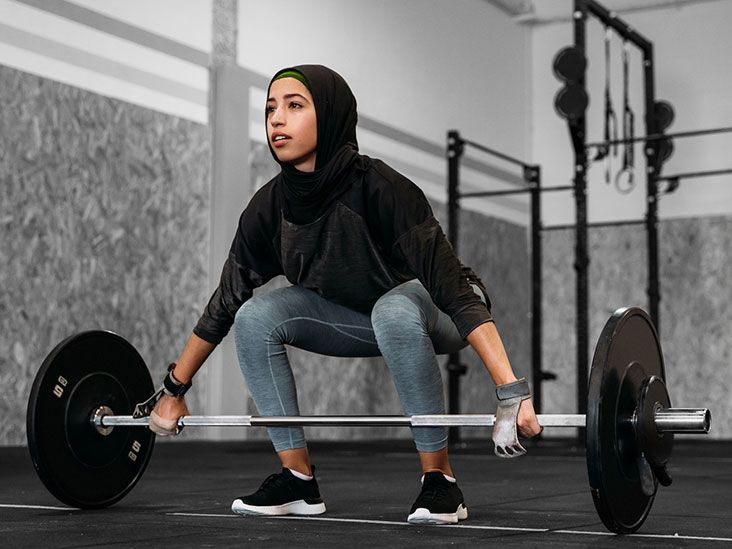
If you want to build total-body strength, improve posture, and increase muscle mass, learning how to deadlift correctly is essential. The deadlift is one of the most powerful compound exercises in strength training. However, many beginners struggle with how to do a deadlif safely and effectively. Understanding thow to deadlift properly can prevent injuries and maximize results.
In this detailed guide, you will learn step-by-step instructions, technique breakdowns, common mistakes, muscle activation, variations, safety tips, and FAQs — everything you need to master the deadlift.
What Is a Deadlift?
The deadlift is a compound strength exercise where you lift a weighted barbell from the floor to hip level while maintaining a neutral spine. It primarily targets:
-
Glutes
-
Hamstrings
-
Lower back
-
Core
-
Traps
-
Forearms
Learning how to deadlift correctly ensures you engage all these muscles safely and effectively.
Why Learning How to Deadlift Matters
Understanding how to do a deadlif correctly is important because:
-
It builds full-body strength.
-
It improves posture.
-
It strengthens the posterior chain.
-
It enhances athletic performance.
-
It reduces lower back injury risk (when done correctly).
Many injuries occur because people don’t understand thow to deadlift properly, especially maintaining spinal alignment.
Muscles Worked in a Deadlift
| Muscle Group | Role in Deadlift |
|---|---|
| Glutes | Hip extension |
| Hamstrings | Assist in hip movement |
| Quadriceps | Knee extension |
| Erector Spinae | Spine stabilization |
| Trapezius | Upper back support |
| Core | Stabilization |
| Forearms | Grip strength |
When you understand how to deadlift, you activate these muscles efficiently.
How to Deadlift: Step-by-Step Instructions
Here is a detailed breakdown of how to deadlift safely and effectively.Step 1: Setup Position
-
Stand with feet hip-width apart.
-
Barbell should be over mid-foot.
-
Toes slightly pointed outward.
Proper setup is the foundation of thow to deadlift properly.
Step 2: Grip the Bar
-
Bend at the hips and knees.
-
Grab the bar just outside your legs.
-
Use double overhand or mixed grip.
Understanding grip placement is crucial when learning how to do a deadlif correctly.
Step 3: Position Your Back
-
Keep spine neutral.
-
Chest up.
-
Shoulders slightly in front of the bar.
-
Engage your core.
One key element of how to deadlift safely is avoiding rounding your back.
Step 4: Lift the Bar
-
Push through your heels.
-
Extend knees and hips simultaneously.
-
Keep the bar close to your body.
-
Stand tall at the top.
This is where mastering thow to deadlift properly makes all the difference.
Step 5: Lower the Bar
-
Push hips back first.
-
Bend knees after bar passes them.
-
Lower bar under control.
Controlled lowering is just as important when learning how to deadlift.
Common Mistakes to Avoid
Many beginners make errors while trying to figure out how to do a deadlif.
1. Rounding the Lower Back
This increases injury risk.
2. Jerking the Bar Off the Floor
Always create tension before lifting.
3. Letting the Bar Drift Away
Keep it close to your shins and thighs.
4. Overextending at the Top
Do not lean backward excessively.
Avoiding these mistakes ensures you know thow to deadlift properly.
Deadlift Variations
Once you master how to deadlift, you can explore variations.
1. Conventional Deadlift
Standard stance, most common.
2. Sumo Deadlift
Wider stance, more inner thigh focus.
3. Romanian Deadlift
Focuses on hamstrings and glutes.
4. Trap Bar Deadlift
Easier on lower back, beginner-friendly.
Comparison of Deadlift Variations
| Variation | Best For | Difficulty Level |
|---|---|---|
| Conventional | Overall strength | Moderate |
| Sumo | Hip mobility | Moderate |
| Romanian | Hamstring focus | Moderate |
| Trap Bar | Beginners | Easy |
Learning how to deadlift in different styles helps diversify training.
Benefits of Deadlifting
Understanding how to do a deadlif correctly provides several benefits:
1. Builds Total Body Strength
Deadlifts activate multiple muscle groups.
2. Boosts Testosterone & Growth Hormone
Heavy compound lifts stimulate hormone release.
3. Improves Athletic Performance
Enhances power and speed.
4. Strengthens Core Stability
Core activation is essential in thow to deadlift properly.
How Much Weight Should Beginners Start With?
| Experience Level | Recommended Weight |
|---|---|
| Beginner | Empty bar (20kg/45lb) |
| Intermediate | 50–80% bodyweight |
| Advanced | 1.5–2x bodyweight |
When learning how to deadlift, always prioritize technique over heavy weight.
Deadlift Programming Tips
To master how to deadlift, follow these programming tips:
-
Train 1–2 times per week.
-
3–5 sets per session.
-
5–8 reps for strength.
-
Rest 2–3 minutes between sets.
Consistency is key when mastering thow to deadlift properly.
Warm-Up Before Deadlifting
Before practicing how to do a deadlif, warm up with:
-
Bodyweight squats
-
Hip hinges
-
Glute bridges
-
Light kettlebell swings
-
Core activation drills
Warm-ups prevent injury and improve performance.
Safety Tips for Deadlifting
-
Keep core tight.
-
Wear flat shoes.
-
Avoid excessive rounding.
-
Don’t rush progression.
-
Consider a lifting belt for heavy sets.
Learning how to deadlift safely protects your spine.
Who Should Avoid Heavy Deadlifting?
-
Individuals with severe lower back injuries
-
Those with herniated discs
-
People with uncontrolled high blood pressure
Consult a professional if unsure.
Deadlift and Back Pain
Many people fear deadlifts cause back pain. In reality:
-
Poor technique causes injury.
-
Proper form strengthens the lower back.
-
Gradual progression is essential.
Understanding thow to deadlift properly reduces injury risk.
Breathing Technique During Deadlift
Breathing is crucial when learning how to deadlift.
-
Take deep breath before lifting.
-
Brace core.
-
Hold breath during lift (Valsalva maneuver).
-
Exhale at the top.
This protects your spine under load.
Deadlift Equipment
| Equipment | Purpose |
|---|---|
| Barbell | Primary lifting tool |
| Weight plates | Resistance |
| Lifting belt | Core support |
| Chalk | Grip improvement |
| Straps | Heavy grip assistance |
When learning how to do a deadlif, equipment can improve performance but is not mandatory.
Deadlift Frequency and Recovery
Muscles used in deadlifts need recovery:
-
48–72 hours rest between sessions.
-
Prioritize sleep.
-
Eat sufficient protein.
-
Stretch hips and hamstrings.
Recovery supports long-term strength gains.
Frequently Asked Questions (FAQ)
1. How often should I deadlift?
1–2 times per week is ideal for most people.
2. Is deadlifting dangerous?
Not if you understand thow to deadlift properly and maintain good form.
3. Should beginners deadlift heavy?
No, master technique first.
4. Can deadlifts reduce belly fat?
They help burn calories and build muscle but fat loss depends on diet.
5. What muscles grow the most from deadlifts?
Glutes, hamstrings, lower back, and traps.
Final Thoughts
Learning how to deadlift, understanding how to do a deadlif, and mastering thow to deadlift properly are essential for building strength safely. The deadlift is one of the most effective compound movements in strength training, offering unmatched benefits for muscle growth, posture, athletic performance, and overall health.
Read More:-Avocado Nutrition Facts and Egg Nutrition Facts: Complete Nutritional Guide

